+91 9953 65 9594


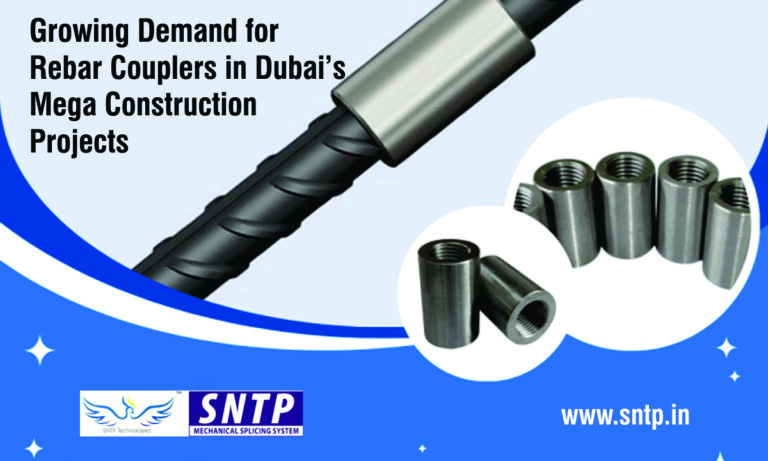
Growing Demand for Rebar Couplers in Dubai’s Mega Construction Projects
Dubai’s skyline is a testament to modern engineering excellence — with towering skyscrapers, expansive infrastructure, and world-class architectural landmarks that continue to redefine what’s possible in the built environment. Behind this rapid urban transformation lies a critical but often understated element of reinforced concrete construction: Rebar couplers in Dubai. These mechanical splicing systems are becoming indispensable in Dubai’s mega construction projects due to the city’s push for efficiency, quality, and sustainability.
The Shift from Traditional Splicing to Mechanical Couplers
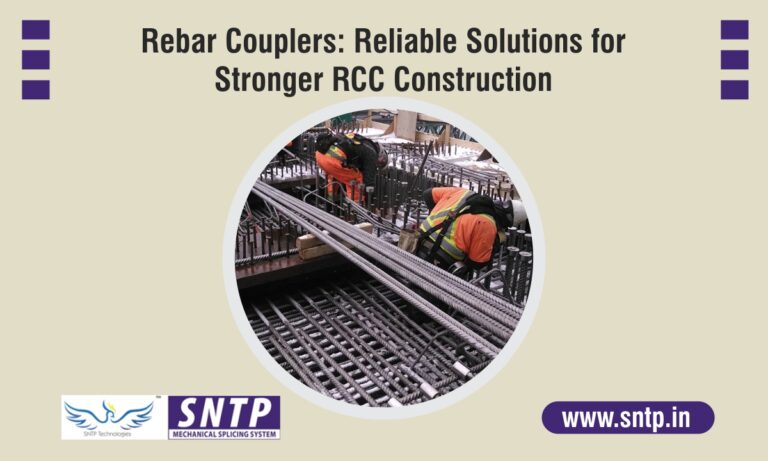
Traditionally, reinforcing steel bars (rebars) in concrete structures were connected using lap splicing — a method that overlaps bars to transfer tension and compression forces. While simple, this technique has several limitations, especially on large, complex projects: it increases steel consumption, creates congestion in crowded reinforcement zones, and slows down construction timelines.
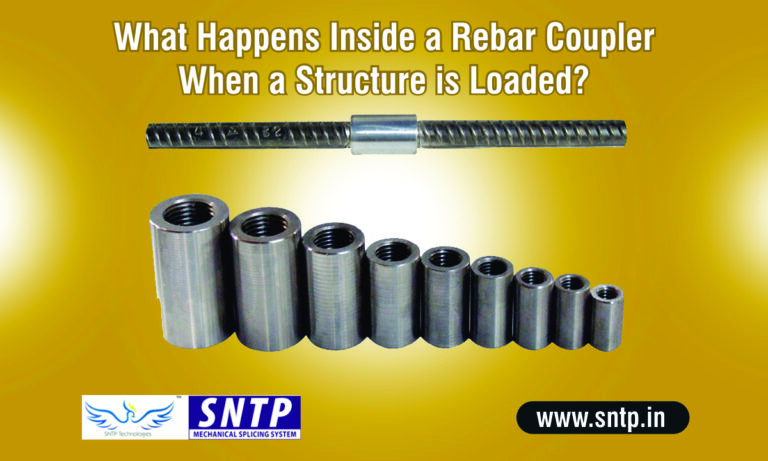
In contrast, rebar couplers provide direct mechanical connections between rebars, ensuring uniform load transfer without the need for lengthy lap overlaps. This not only improves structural performance but also reduces material use, labor requirements, and project costs — factors that are essential for mega construction programs in Dubai.
Why Dubai Projects Are Increasingly Specifying Rebar Couplers
Dubai’s construction market is driven by ambitious public and private sector investment in high-rise buildings, transportation networks, and urban development schemes aligned with Dubai Urban Master Plan 2040 and similar strategic initiatives. This scale of development places immense pressure on engineers and contractors to deliver high-quality, durable structures within aggressive timelines and strict regulatory frameworks — and rebar couplers are critical to meeting these demands.
Here’s why rebar couplers are rapidly gaining traction:
1. Enhanced Structural Efficiency and Safety
Mechanical couplers ensure continuous reinforcement across joints with little risk of stress concentration or weak points. Compared to lap splicing, couplers offer a more reliable load path, which enhances a structure’s capacity to withstand dynamic forces such as seismic loads, wind pressure, and heavy live loads typical in skyscrapers and bridges. Given Dubai’s focus on safety and performance, engineers increasingly specify couplers for critical reinforcement connections.
2. Faster Construction Cycles
Dubai’s megaprojects — from skyscrapers to metro stations — operate under tight deadlines. Rebar couplers streamline reinforcement installation, minimizing on-site labor and reducing the time spent on tying or overlapping bars. This acceleration of the reinforcement phase helps contractors stay on schedule and meet delivery milestones, especially when working in constrained urban job sites where time is critical.
3. Reduced Material Usage and Waste
One of the most compelling advantages of mechanical couplers is their ability to cut down on steel consumption. By eliminating the need for overlapping lengths of rebar, couplers can reduce overall steel usage significantly, lowering project costs and minimizing wastage. For developers in Dubai where material costs and sustainability goals are major considerations, this efficiency is strategically important.
4. Better Reinforcement Congestion Management
Urban projects often involve highly congested reinforcement zones — especially in cores, columns, and heavily reinforced slabs. Overlapping bars in such areas can make proper concrete placement and compaction difficult, potentially leading to voids or honeycombing. Rebar couplers eliminate overlap zones by creating compact joints that facilitate cleaner reinforcement layouts and better concrete flow.
5. Compliance with Evolving Standards
Construction codes in the UAE and internationally are increasingly incorporating performance-based criteria for reinforcements. Mechanical couplers meet stringent standards for strength, durability, and consistency, making them a preferred choice for projects seeking both compliance and certification. This is particularly important in Dubai’s high-visibility portfolio of commercial and infrastructure projects.
Market Trends Driving Coupler Demand in the UAE
The Middle East & Africa region, including the UAE, is experiencing accelerated adoption of rebar couplers as urban and infrastructure development expands. Industry forecasts indicate robust growth in coupler usage due to large-scale construction initiatives and major investments across transportation, commercial, and residential sectors.
Data suggests that the UAE contributes significantly to regional demand, with high-rise buildings, airports, bridges, and metro rail systems driving the need for efficient and reliable mechanical splicing solutions. Rebar coupler adoption in the region is strongly correlated with advanced construction technologies, emerging modular construction trends, and heightened emphasis on safety and sustainability.
Case in Point: Dubai’s Iconic Projects
Although specific technical details about reinforcement systems aren’t always disclosed publicly, landmark structures like the Burj Khalifa — the world’s tallest building — are known to rely on high-performance reinforcement solutions, including mechanical splicing technologies, to manage the enormous vertical and lateral loads involved. Using couplers in such high-demand applications reduces congestion and ensures continuity of reinforcement in critical load-bearing zones.
Similarly, Dubai’s extensive infrastructure network — from metro rail expansions to major highway and bridge projects — requires reinforcement practices that are efficient, reliable, and OSHA-compliant. Mechanical rebar couplers meet these needs by facilitating faster assembly and enhanced quality assurance across repetitive construction cycles.
Sustainability: A Long-Term Construction Priority
Dubai’s leadership is committed to sustainability, with initiatives like the Dubai Clean Energy Strategy and green building standards driving environmentally responsible construction practices. Rebar couplers contribute to these goals by reducing steel consumption, lowering carbon emissions from material production, and minimizing construction waste — aligning perfectly with broader environmental targets.
By optimizing resource usage and supporting lean construction workflows, mechanical couplers help developers achieve greener project footprints without sacrificing performance or safety. This sustainability advantage further strengthens their appeal in the competitive UAE construction market.
Challenges and Considerations
Despite the clear advantages, some contractors remain hesitant to adopt couplers due to perceived higher upfront costs compared to traditional splicing methods. However, these costs are often offset by savings in materials, labor, and construction time — not to mention long-term benefits in durability and reduced maintenance requirements.
Skilled labor availability and training in coupler installation techniques are also crucial for maximizing their effectiveness. As construction technologies evolve, the industry continues to invest in training and certification programs to ensure consistent application of coupler systems across job sites.
Conclusion
Dubai’s ambition to build taller, smarter, and more resilient structures has transformed it into a global hub for cutting-edge construction practices. In this fast-paced environment, rebar couplers are no longer an optional reinforcement solution — they are a strategic imperative for engineers, contractors, and developers seeking efficiency, safety, and sustainability in mega projects.
From reducing steel consumption and speeding up construction to enhancing structural reliability and supporting green building standards, rebar couplers are uniquely positioned to meet the demands of Dubai’s dynamic construction ecosystem — making them a cornerstone technology in the city’s ongoing transformation.
Recent Posts

© Copyright 2017.SNTP All Rights Reserved.
Design & Developed By Star Web Maker