+91 9953 65 9594


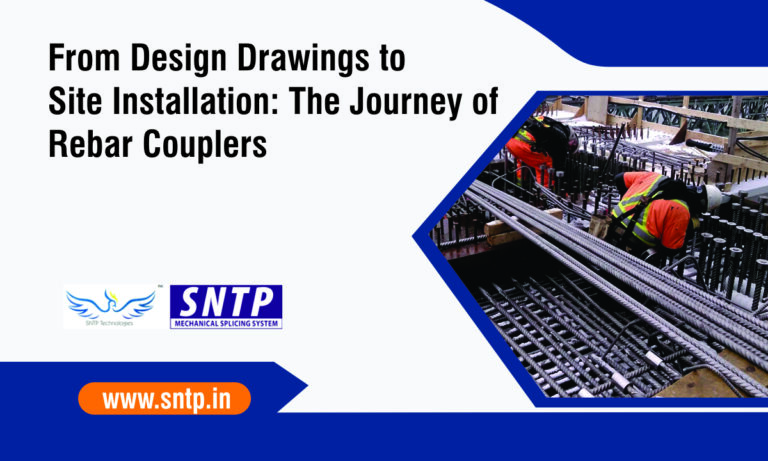
From Design Drawings to Site Installation: The Journey of Rebar Couplers
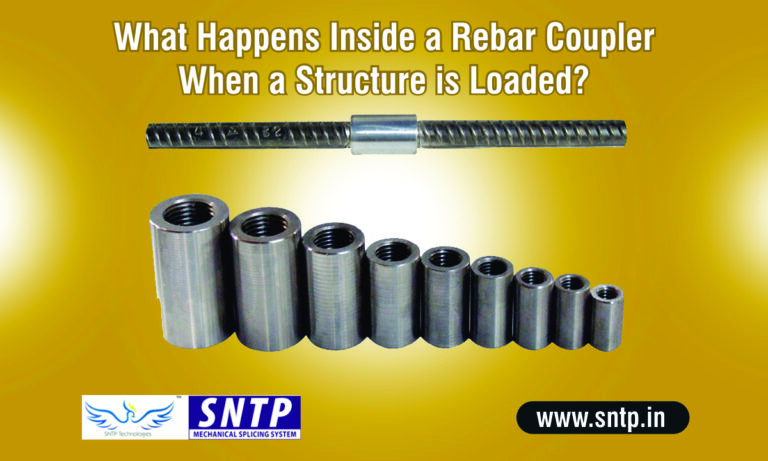
In a reinforced concrete structure, steel reinforcement plays a major role in carrying loads and maintaining strength. But reinforcement bars also need to be connected properly, especially when the required bar length is more than the available length. This is where mechanical connections such as Rebar Couplers become useful.
A coupler may look like a small component compared with the size of a building, bridge, metro project, or other structure. However, its performance depends on many things happening correctly before and during installation. The process starts much earlier than the moment a worker fixes a coupler on a steel bar. It begins with structural drawings, bar schedules, specifications, product selection, material checks, and proper site planning.
Understanding this complete journey helps engineers, contractors, and site teams avoid mistakes and maintain better quality during reinforcement work.
Why Couplers Need to Be Considered at the Design Stage
The first step is not installation. It is planning.
When reinforcement details are prepared, the structural team decides where bars need to continue and how those connections should be made. In some locations, traditional lap splicing may not be practical because of congestion, limited space, or the quantity of reinforcement involved. Mechanical splicing can provide another option when it is suitable for the structural design.
The location of the connection matters as well. Engineers need to consider bar diameter, reinforcement arrangement, available working space, loads, and project specifications before selecting a connection system.
This is why Rebar Couplers should not be treated as a last-minute site product. Their type, size, location, and installation requirements should be coordinated with the reinforcement drawings and project specifications.
Reading Bar Details Before Ordering
Once the connection requirement is established, the reinforcement details need to be checked carefully.
Bar diameter is one of the most important details because couplers are designed for specific bar sizes. The type of connection required also needs attention. Different situations may require different coupler arrangements depending on whether the bar is being connected in a standard position, a restricted area, or a location where bar movement is difficult.
Bar schedules and structural drawings should therefore be reviewed before placing an order. A simple mistake in size or quantity can create problems later when reinforcement work has already started.
Good planning at this stage can save time on site. It also reduces the chances of workers having to stop installation because the required components are unavailable or unsuitable.
Choosing the Right Coupler for the Project
Not every connection is the same, so choosing a coupler should not be based only on price or availability.
The selection should consider the reinforcement grade, bar diameter, connection requirements, installation method, project specifications, and applicable testing or quality requirements. The coupler should also be suitable for the conditions in which it will be installed.
For large construction projects, consistency is particularly important. Hundreds or thousands of connections may be required, and using a properly specified product helps the site team follow the same installation process throughout the project.
A reliable manufacturer should also be able to provide relevant technical information, product specifications, installation instructions, and quality documentation. These details help the project team make an informed decision instead of selecting a product without understanding its application.
Checking the Material Before It Reaches the Reinforcement Cage
Quality control does not begin after installation. It starts when the material arrives at the site.
Before Rebar Couplers are used, the site team should check the delivered material against the purchase order and project requirements. Size, quantity, identification, physical condition, and supporting documentation should be reviewed.
Couplers should be stored properly so that they remain clean and protected from unnecessary damage. Threaded areas, where applicable, should receive particular attention because dirt, debris, or physical damage can affect installation.
This stage may seem routine, but it can prevent avoidable problems later. Finding an incorrect or damaged component before reinforcement is assembled is much easier than discovering the issue during inspection.
Preparing Reinforcement Bars for Connection
Proper bar preparation is another important part of the process.
Depending on the selected connection system, reinforcement bars may require specific preparation before the coupler is installed. The end of the bar needs to be in the required condition, and the dimensions or threading must match the coupler specifications.
Workers should follow the manufacturer's installation instructions rather than relying only on experience. Even an experienced worker can make mistakes when a different coupler system or bar size is being used.
The reinforcement should also be positioned correctly. If the bar is not properly aligned, forcing the connection can create installation problems. Taking a little extra time during preparation can make the actual installation much smoother.
Installing Couplers Correctly on Site
This is the stage where planning becomes visible in the structure.
The coupler is installed according to the specified procedure. For threaded systems, the connection needs to be properly engaged and tightened as required. The installation should not be rushed simply because the connection itself takes less time than traditional lapping.
Site workers should have clear instructions and, where required, suitable tools for the installation. The connection should also be checked visually after installation to identify obvious issues such as incomplete engagement, damaged components, incorrect positioning, or other installation concerns.
A good installation process is consistent. The same basic procedure should be followed across the project instead of allowing every worker to develop a different method.
Inspection Helps Catch Small Problems Early
Reinforcement inspection is one of the most useful quality-control stages before concrete is poured.
At this point, engineers and site supervisors can check whether the reinforcement matches the drawings and whether the mechanical connections have been installed correctly. They can also check bar alignment, coupler position, reinforcement spacing, cover, and other relevant details.
This is where small installation errors can be corrected while the reinforcement is still accessible.
Proper inspection also creates confidence for the next stage of construction. Once the reinforcement and connections have been checked and approved, the team can move towards formwork closure and concrete placement with fewer concerns.
Documentation Is Part of the Process
Construction quality is not only about what can be seen on site. Records are also important.
Depending on the project requirements, documentation may include material certificates, inspection records, test reports, delivery details, installation records, and other quality documents. Keeping these records organised helps the project team trace materials and demonstrate that the required procedures were followed.
For major infrastructure projects, this becomes even more important because reinforcement work can continue over many floors, sections, or construction stages.
Good documentation also makes future checks easier. Instead of depending only on memory, the project team has a clear record of what was supplied, inspected, and installed.
Why Site Conditions Matter
Even a properly selected connection can face challenges if site conditions are ignored.
Crowded reinforcement cages, limited access, poor lighting, wet working areas, and difficult bar positioning can all make installation harder. The site team should consider these conditions before starting the work.
Planning the sequence of reinforcement installation can help workers reach connection points more easily. It can also reduce unnecessary movement or rework.
This is one reason coordination between design engineers, contractors, reinforcement teams, and quality inspectors is so important. Everyone needs to understand what is expected before the work begins.
From Inspection to Concrete Placement
After the reinforcement and connections have been inspected and approved, the project moves towards concrete placement.
At this stage, the connections are no longer easily accessible once concrete surrounds the reinforcement. That makes the earlier inspection particularly important.
The goal is not simply to install a large number of couplers. The real goal is to create reinforcement continuity in accordance with the structural design and project requirements.
When the complete process—from drawings to material selection, preparation, installation, inspection, and documentation—is handled carefully, the connection becomes part of a controlled construction system rather than an isolated site activity.
What Makes the Journey Successful?
The journey of Rebar Couplers from design drawings to site installation involves more than choosing a product and fixing it between two bars.
It requires proper planning, correct product selection, suitable material, trained installation, careful inspection, and clear documentation. Each stage supports the next one.
Most importantly, the site team should understand that a small connection deserves the same attention to quality as any other part of reinforcement work. A well-planned process can reduce confusion, avoid unnecessary rework, and make reinforcement installation more organised.
For modern RCC construction, mechanical reinforcement connections can be a practical solution when they are selected and installed according to the project's structural and quality requirements. The strength of the overall system depends not only on the coupler itself, but also on how well the entire process is managed—from the first line on the drawing to the final inspection before concrete is poured.
Recent Posts

© Copyright 2017.SNTP All Rights Reserved.
Design & Developed By Star Web Maker